
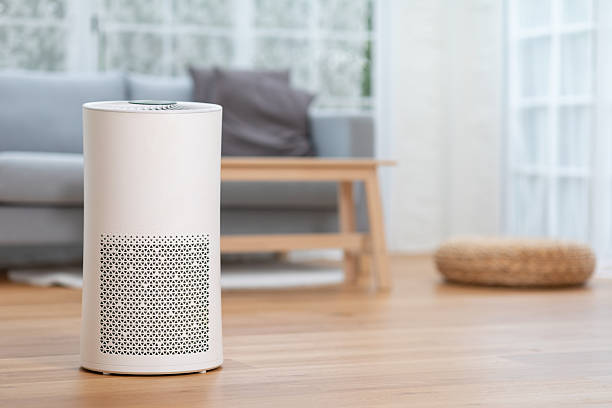
Respiratory Defense: Mastering Indoor Air Quality in 2026
As we navigate the winter of 2026, indoor air quality (IAQ) has become a cornerstone of personalized health. With modern homes becoming increasingly airtight, the management of humidity levels is no longer just about comfort—it is a critical strategy for respiratory defense. Utilizing a humidifier can shield your airways from the harsh effects of dry air, but in 2026, experts emphasize that maintenance is just as important as the moisture itself.
The Science of Mucosal Integrity
The human respiratory tract is lined with a thin layer of mucus that serves as a primary biological barrier. This “mucus blanket” traps viruses, bacteria, and pollutants before they can reach the lungs. However, during the 2026 heating season, indoor humidity often drops below 20%. This dry environment causes the protective lining to dehydrate and crack, effectively “opening the gate” for pathogens.
By using a humidifier to maintain a relative humidity (RH) between 30% and 50%, you preserve the integrity of these membranes. Optimal humidity also ensures that the cilia—tiny hair-like structures in your airways—can effectively move mucus and trapped debris out of the body. Furthermore, 2026 studies suggest that many airborne viruses are less stable in mid-range humidity, reducing their ability to linger in the air you breathe.
The Maintenance Mandate: Avoiding “Humidifier Fever”
While humidifiers are powerful tools, they can become a source of illness if not managed correctly. Stagnant water is a breeding ground for mold and bacteria, which the machine then aerosolizes into your living space. To ensure your device remains a benefit rather than a burden, follow these 2026 safety standards:
- Daily Rinsing: Empty the tank daily, wipe it dry, and refill it with fresh water. Using distilled or demineralized water is highly recommended to prevent the release of “white dust”—mineral deposits that can irritate sensitive lungs.
- Weekly Disinfection: At least once a week, perform a deep clean. Use white vinegar to remove mineral scale and a diluted bleach solution or hydrogen peroxide to kill microbial growth. Ensure you rinse all parts thoroughly to avoid inhaling cleaning fumes.
- Hygrometer Monitoring: Use a digital hygrometer to track your levels. If humidity exceeds 50%, you risk encouraging dust mites and mold growth in your carpets and upholstery.
A Breath of Fresh Air
In 2026, a humidifier is a form of preventative technology. By keeping your respiratory tract hydrated, you rebecca singson md reduce the risk of sinus infections, dry coughs, and seasonal viruses. When paired with consistent cleaning, this simple appliance serves as a vital guardian for your family’s health throughout the year.